

Understanding High-Frequency Hearing Loss
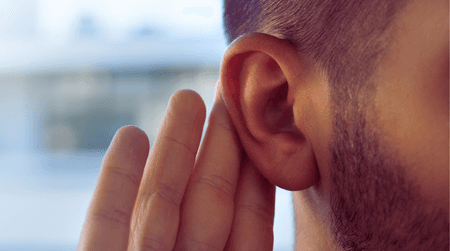
You may still hear people speaking yet notice that parts of conversations are missing. Perhaps you catch the general idea but lose specific words or details, especially during longer discussions or when more than one person is talking.
Higher-pitched voices are often the first to sound unclear. Women’s voices, children’s voices or the soft speech of grandchildren may feel harder to follow, even in familiar settings. At the same time, it can seem as though others are mumbling, despite speaking normally.
These changes usually happen gradually, which makes them easy to dismiss. You might blame background noise, distraction or the way others speak rather than recognizing a shift in hearing. Understanding these early signs helps you identify potential changes before they begin to affect confidence and connection.
Why High-Frequency Hearing Loss Is So Common
High-frequency sounds are higher-pitched tones that play a crucial role in speech clarity. While vowels often carry volume, consonants—such as “s,” “f,” “th” and “k”—carry meaning, and these sounds live in the higher frequency range. When they become harder to hear, speech may sound softer, blurred or incomplete.
The inner ear naturally becomes more vulnerable to high-frequency damage over time. Normal aging affects the delicate structures responsible for detecting these sounds, and long-term noise exposure adds to that strain. Work environments, household tools, traffic and recreational noise all contribute gradually, often without obvious warning signs.
It is important to emphasize that this is not about “getting old.” Hearing loss reflects how the ears change with use over time. You benefit from understanding that these changes are common, predictable and manageable when identified early.
The Voices People Miss First
High-frequency hearing loss often shows up most clearly in certain voices.
Female colleagues, spouses and friends may sound quieter or less distinct. Children and grandchildren, whose voices rely heavily on higher-pitched sounds, may be especially difficult to understand.
These changes can affect more than speech. Soft laughter, playful comments and emotional tone may be missed altogether.
Over time, these small moments add up, influencing connection and shared experiences. Recognizing which voices you struggle with first provides valuable insight into the type of hearing changes you may be experiencing.
How This Impacts Daily Life and Connection
Conversation may begin to feel like work rather than something enjoyable. You might need to focus harder, ask for repetition or avoid noisy settings altogether. In group environments, it can become tempting to withdraw slightly rather than risk misunderstanding or embarrassment.
Fatigue after social interactions is another common effect. When your brain works overtime to fill in missing sounds, energy levels drop more quickly. Staying engaged socially is an important part of living well during later working years or retirement, and supporting hearing clarity plays a key role in maintaining that engagement.
How Great Lakes Hearing Approaches High-Frequency Hearing Loss
At Great Lakes Hearing, care begins with comprehensive hearing assessments that go beyond simple volume testing. You benefit from evaluations that examine clarity across frequencies and include cognitive screenings as a standard part of care, recognizing how hearing and processing work together.
Independence allows access to all major hearing aid manufacturers, ensuring recommendations focus on outcomes rather than products. When technology is appropriate, advanced hearing solutions are selected thoughtfully, based on lifestyle, communication needs and comfort rather than urgency or pressure.
Personalized guidance from a knowledgeable, supportive team ensures that care remains transparent, unrushed and aligned with your goals.
Hear the Full Picture Again
If conversations feel harder than they used to, you don’t have to guess why. Booking an evaluation provides clarity and direction, even if you are not ready to move forward with technology. Early insight leads to more options, better outcomes and greater peace of mind.
Just before your next step, it helps to know that Great Lakes Hearing is focused on long-term partnership – supporting communication, confidence and full participation in daily life.
Paying attention to subtle changes in your hearing allows you to take control and maintain clarity in conversations. Early evaluation gives you insight and options to protect your communication and confidence.
Book your comprehensive hearing assessment today to understand your hearing and stay fully connected.
Frequently Asked Questions
Why does high-frequency hearing loss affect clarity but not volume?
High-frequency sounds carry consonants that give speech meaning. You may still hear voices at a normal volume, but without these sounds, speech becomes unclear. This mismatch often leads people to believe others are mumbling.
Can untreated high-frequency hearing loss affect cognitive effort?
Yes. When the brain continually works to fill in missing information, mental fatigue increases. Over time, this extra effort can affect focus, memory and enjoyment of conversation. Identifying changes early helps reduce this strain.
Is early evaluation worthwhile if hearing loss feels mild?
Absolutely. Early evaluation provides information, not obligation. Understanding your hearing profile gives you more choices and helps preserve communication before frustration sets in.

Hearing Instrument Specialist and Local Business Owner
Thank you for reading! I have lived in the area for 10 years, and I am happy to call Wiarton my home. I am so excited to be a part of Wiarton's healthcare community. I have been working in the hearing healthcare industry for over 17 years. I graduated in 2004 from Grant McEwan University. I love every minute of what I do.
